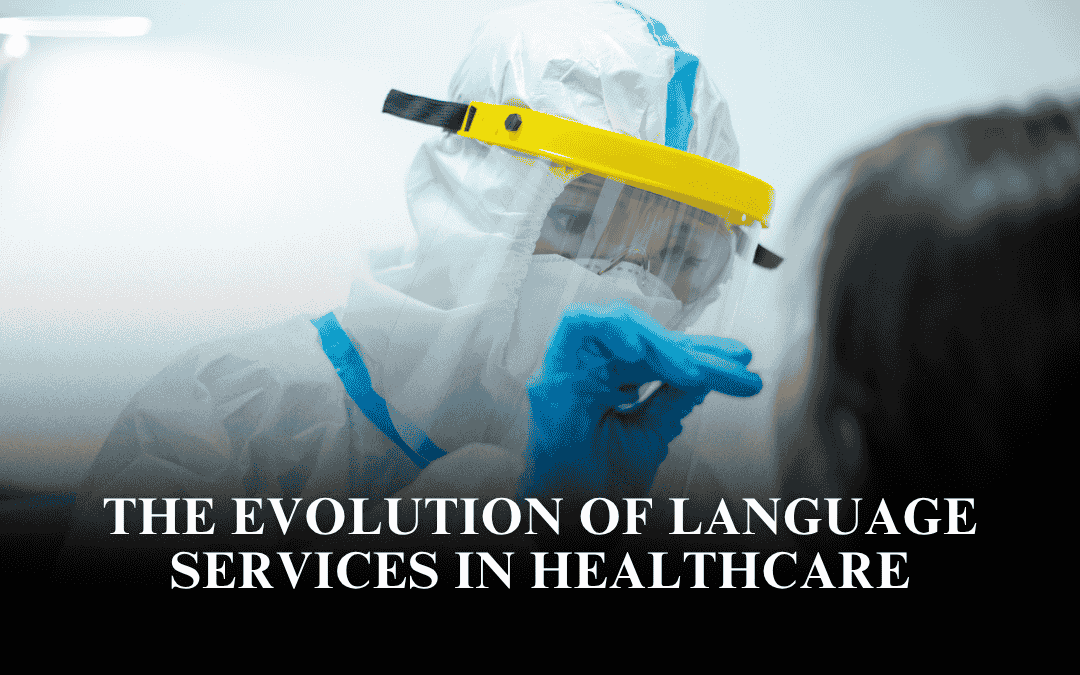
Language services in healthcare have evolved dramatically in the United States, fueled by growing linguistic diversity and increasing recognition of disparities caused by language barriers. Today, advanced interpretation technologies and stronger legal requirements are making healthcare more equitable for millions of patients.
Growing Need for Language Services
The U.S. population speaks more than 350 languages at home. One in five households uses a language other than English, and over 26 million adults have limited English proficiency.
These communities face substantial challenges in accessing and understanding healthcare, resulting in disparities in health outcomes, patient safety incidents, and communication errors.
Legal Foundations and Regulatory Shifts
Federal laws require healthcare providers who receive government funding to offer free interpretation services for patients with limited English proficiency.
Initiatives like the Affordable Care Act and updated regulations from the U.S. Department of Health and Human Services have increased both the scope and the enforcement of language services.
Today, every state has multiple laws ensuring language access in healthcare, with recent rules emphasizing compliance, technological access (e.g., video remote interpreting), and qualified coordinators within health systems.
Technology and Service Innovations
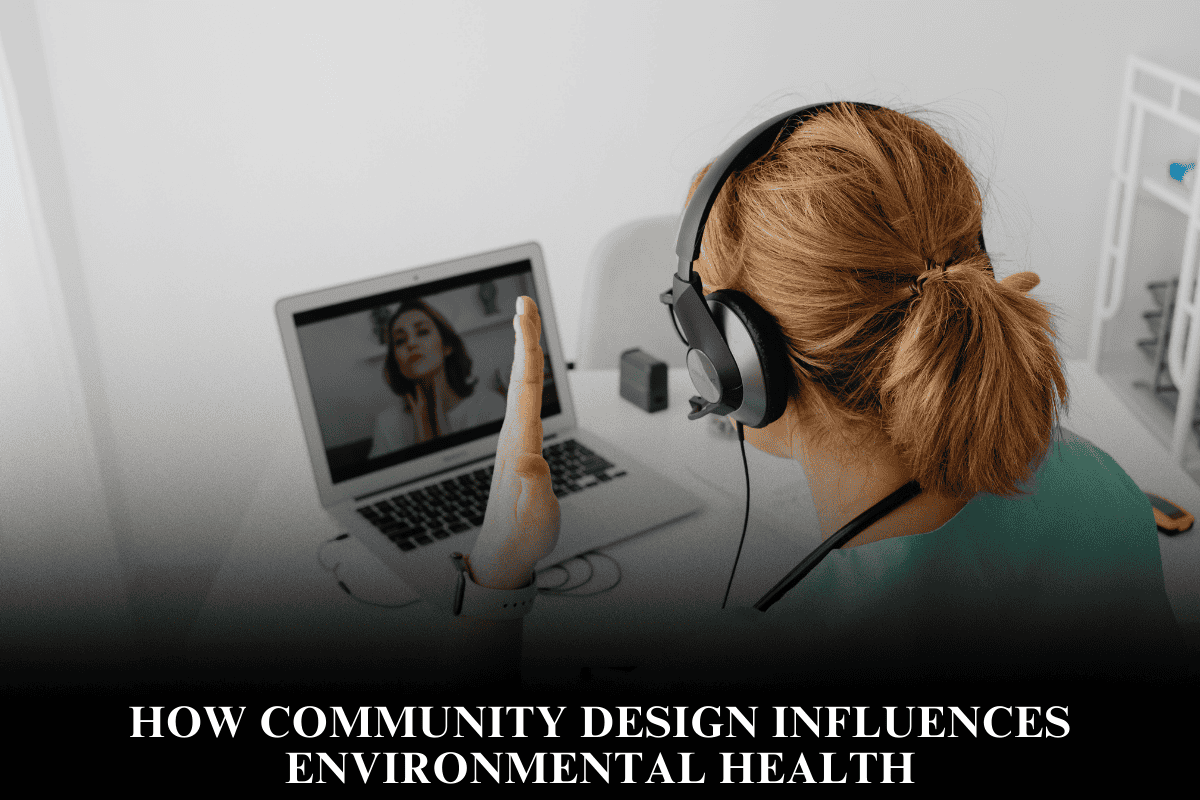
Recent years have seen a major shift toward telehealth-supported interpretation, cloud-based platforms, and real-time video or phone interpreting.
Hospitals and clinics use medical interpretation not only to provide translation but to guarantee patient understanding, safety, and proper care. Healthcare teams now track patient comprehension and the actual impact of interpretation, not just the availability of the service.
There’s increasing demand for interpreters in indigenous and less commonly spoken languages, reflecting ongoing immigrant and refugee trends in the U.S..
Impact on Patient Care and Health Equity
Research highlights that when language services are available, patients enjoy more accurate diagnoses, better medication adherence, lower risk of adverse events, and improved satisfaction with care.
However, ongoing shortages of certified interpreters and limited access to services persist, making language equity an active area for improvement.
Future Directions
Language services in healthcare are expected to see continued growth, with expanding technology use, more specialized glossaries, and integrated support for remote and in-person care.
Emphasis is likely to remain on not just providing interpretation but ensuring patient outcomes and equity across diverse U.S. communities.
FAQs
How do language barriers affect health outcomes?
Language barriers can lead to misunderstandings about medical instructions, poorer management of diseases, increased hospitalizations, and even higher mortality rates among patients who do not speak English well.
What laws guarantee language services in U.S. healthcare?
Federal laws, including provisions in the Affordable Care Act and Section 1557, require healthcare providers receiving federal funds to offer free interpretation services to patients with limited English proficiency. States also impose their own language-access requirements.
What new trends are shaping language services in healthcare?
There is rapid growth in telehealth-supported interpretation, on-demand video and phone services, and remote access for multiple languages—including indigenous dialects—due to increased demographic diversity and regulations.
Why is there a focus on qualified interpreters?
Effective medical interpretation now requires not just fluency in multiple languages but also a deep understanding of medical terminology and the cultural context of patients. This expertise is critical to patient safety and better health outcomes.